

Hey there! I'm a supplier of engineering chains, and today I wanna chat about how an engineering chain resists chemical corrosion in chemical - processing. Chemical processing is a tough environment for any equipment, and engineering chains are no exception. They're constantly exposed to all sorts of harsh chemicals that can eat away at them if they're not properly protected.
First off, let's understand why chemical corrosion is such a big deal in chemical - processing. Chemicals like acids, alkalis, and solvents can react with the metal in the chain, causing it to rust, pit, or even break down completely. This not only shortens the lifespan of the chain but also affects the efficiency and safety of the entire processing system.
One of the most common ways we deal with this is by using the right materials. We often choose stainless steel for our engineering chains. Stainless steel has a high chromium content, which forms a thin, protective oxide layer on the surface of the metal. This layer acts as a barrier between the metal and the corrosive chemicals, preventing them from reacting with each other. For example, in a chemical plant where there's a lot of acidic vapors, a stainless - steel engineering chain can last much longer than a regular carbon - steel chain.
But stainless steel isn't the only option. We also have chains made from other corrosion - resistant alloys. These alloys are specifically designed to withstand the unique chemical environments found in different chemical - processing applications. Some alloys are better at resisting alkalis, while others are more effective against certain solvents. It's all about matching the chain material to the specific chemicals it'll be exposed to.
Another important factor is the surface treatment of the chain. We can apply various coatings to the chain to enhance its corrosion resistance. One popular coating is zinc plating. Zinc is a sacrificial metal, which means it'll corrode before the underlying metal of the chain. This gives the chain an extra layer of protection. We can also use epoxy coatings, which create a tough, chemical - resistant film on the surface of the chain. Epoxy coatings are great for protecting against a wide range of chemicals, including both acids and alkalis.
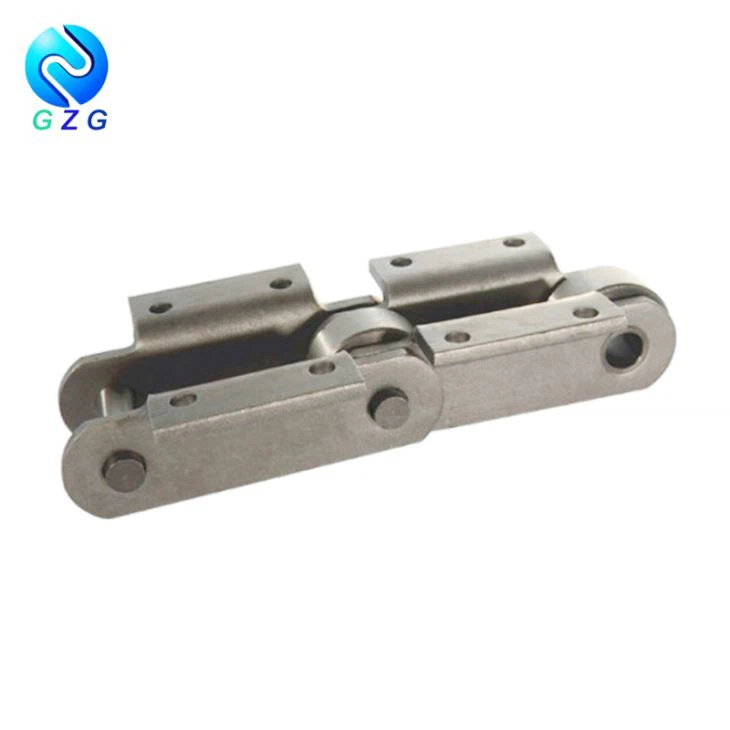
In addition to materials and coatings, the design of the chain also plays a role in resisting chemical corrosion. We make sure that the chain has a smooth surface. Rough surfaces can trap chemicals, which can lead to localized corrosion. By keeping the surface smooth, we reduce the chances of chemical buildup and corrosion. Also, the joints in the chain are designed to be tight and well - sealed. This prevents chemicals from seeping into the inner parts of the chain, where they could cause more serious damage.
Now, let's talk about some specific applications. In the sugar industry, for example, the chains are exposed to a lot of sugar solutions, which can be corrosive over time. We offer Bucket Conveyor Chains For Elevator that are specially designed to resist the effects of sugar. These chains are made from corrosion - resistant materials and have a surface treatment that prevents the sugar from sticking and causing corrosion.
We also have Sugar Industry Conveyor Sprockets and Sugar Conveyor Chain that are built to last in the sugar - processing environment. The sprockets are designed to work smoothly with the chain, and both are protected against the corrosive effects of sugar and other chemicals used in the production process.
In a chemical - processing plant, proper maintenance is also crucial for ensuring the chain's resistance to chemical corrosion. Regular cleaning can remove any chemical residues that might be on the chain. We recommend using a mild, non - abrasive cleaner that won't damage the chain's surface or coating. Inspections are also important. By regularly checking the chain for signs of corrosion or wear, we can catch any problems early and take appropriate action, such as replacing a damaged link or reapplying a coating.

It's also important to monitor the chemical environment in which the chain operates. Changes in the concentration or type of chemicals can have a significant impact on the chain's corrosion resistance. By keeping an eye on these factors, we can make adjustments to the chain's maintenance schedule or even consider upgrading the chain if necessary.
So, if you're in the chemical - processing industry and need a reliable engineering chain that can resist chemical corrosion, look no further. We've got the expertise and the products to meet your needs. Whether it's a small - scale operation or a large - scale industrial plant, we can provide you with the right chain for your specific application.
If you're interested in learning more about our engineering chains or want to discuss your specific requirements, don't hesitate to get in touch. We're always happy to have a chat and help you find the best solution for your chemical - processing needs.
References
- "Corrosion Resistance of Metals in Chemical Environments" - A technical guide on understanding how different metals react to various chemicals.
- "Engineering Chain Design and Application in Chemical Processing" - A research paper that focuses on the design aspects of chains for chemical - processing applications.