

As a seasoned supplier in the conveyor chain industry, I've witnessed firsthand the growing demand for energy - saving solutions in conveyor chain systems. In today's world, where energy efficiency is not just an environmental concern but also a significant cost - saving factor for businesses, optimizing the energy consumption of conveyor chain systems is of utmost importance. In this blog, I'll share some effective energy - saving measures for conveyor chain systems that we, as a conveyor chain supplier, recommend to our clients.
1. Chain Selection
The first step in achieving energy savings in a conveyor chain system is to select the right chain for the application. Different types of conveyor chains have different levels of friction and efficiency. For instance, our Conveyor Short Straight Side Plate Chain is designed with a straight - side plate structure that reduces unnecessary contact and friction during operation. This type of chain can significantly lower the energy required to move the conveyor, especially in applications where smooth and continuous movement is needed.
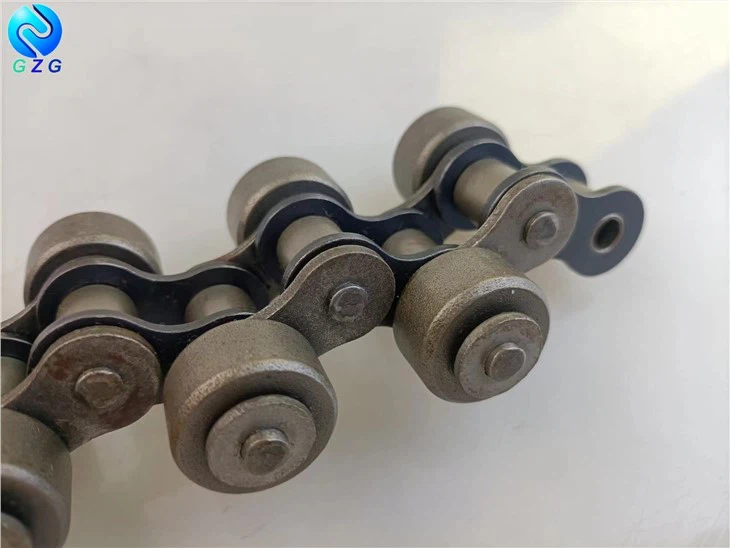
Another option is the Conveyor Chain with Outboard Roller. The outboard roller design allows for better load distribution and reduces the rolling resistance. When the chain moves, the outboard rollers can roll more freely, which means less energy is wasted in overcoming friction. This type of chain is particularly suitable for heavy - duty conveyor systems where large loads need to be transported over long distances.

2. Lubrication
Proper lubrication is crucial for the energy - efficient operation of a conveyor chain system. Lubricants reduce friction between the chain components, such as pins, bushings, and rollers. When friction is reduced, less energy is required to drive the chain.
We recommend using high - quality lubricants that are specifically formulated for conveyor chains. These lubricants should have good anti - wear and anti - corrosion properties. Regular lubrication maintenance is also essential. Establish a lubrication schedule based on the operating conditions of the conveyor chain system. For example, in a high - temperature or high - dust environment, the chain may need to be lubricated more frequently.
However, it's important not to over - lubricate the chain. Excessive lubrication can attract dirt and debris, which can actually increase friction and cause premature wear of the chain. Therefore, it's necessary to apply the lubricant evenly and in the right amount.
3. System Design and Configuration
The design and configuration of the conveyor chain system can have a significant impact on its energy consumption. Here are some aspects to consider:
- Conveyor Length and Layout: The longer the conveyor, the more energy is required to move the chain. Therefore, try to optimize the conveyor length and layout. Minimize unnecessary bends and curves in the conveyor path, as these can increase friction and resistance. For example, a straight - run conveyor is generally more energy - efficient than a conveyor with multiple turns.
- Load Capacity and Distribution: Ensure that the conveyor chain is properly sized for the load it needs to carry. Overloading the chain can lead to increased energy consumption and premature wear. Also, distribute the load evenly along the chain. Uneven load distribution can cause some parts of the chain to work harder than others, resulting in increased friction and energy waste.
- Drive System Selection: Choose an appropriate drive system for the conveyor chain system. Electric motors are commonly used in conveyor systems. Select a motor with the right power rating. An oversized motor can consume more energy than necessary, while an undersized motor may not be able to drive the chain efficiently. Variable frequency drives (VFDs) can also be used to control the speed of the motor according to the actual load requirements. This can significantly reduce energy consumption, especially in applications where the load varies.
4. Chain Tensioning
Proper chain tensioning is essential for the energy - efficient operation of a conveyor chain system. If the chain is too loose, it can cause excessive vibration and slippage, which increases energy consumption. On the other hand, if the chain is too tight, it can put additional stress on the chain components and the drive system, also leading to increased energy consumption and premature wear.
We recommend using a tensioning device that can automatically adjust the chain tension. This can ensure that the chain maintains the optimal tension during operation, regardless of changes in temperature, load, or chain wear. Regularly check the chain tension and make adjustments as needed.
5. Maintenance and Inspection
Regular maintenance and inspection of the conveyor chain system are essential for energy savings. A well - maintained chain system operates more efficiently and consumes less energy. Here are some maintenance tasks to perform:
- Cleaning: Keep the chain clean to prevent dirt, debris, and contaminants from accumulating on the chain. These can increase friction and wear. Use appropriate cleaning methods and solvents to remove dirt and grease from the chain.
- Inspection: Regularly inspect the chain for signs of wear, damage, or misalignment. Replace any worn or damaged components promptly. Misaligned chains can cause increased friction and energy consumption, so it's important to ensure that the chain is properly aligned on the sprockets.
- Sprocket Maintenance: The sprockets play a crucial role in the operation of the conveyor chain system. Inspect the sprockets for wear and damage. Worn sprockets can cause the chain to slip or wear unevenly, which increases energy consumption. Replace the sprockets when they reach the end of their service life.
6. Upgrade to Energy - Efficient Chains
In some cases, upgrading to more energy - efficient chains can provide significant energy savings. For example, our B Series Double Pitch Straight Side Plate Conveyor Chain is designed with a double - pitch structure that reduces the number of chain joints and friction. This type of chain is more energy - efficient than traditional single - pitch chains, especially in applications where the conveyor speed is relatively low.
The Conveyor Chain with U Type Attachment is another option for energy - conscious businesses. The U - type attachment is designed to provide better load - carrying capacity and stability, which can reduce the energy required to move the chain.
Our B Series Carbon Steel Straight Plate Chain is made of high - quality carbon steel, which has excellent strength and wear resistance. This type of chain can operate more efficiently and consume less energy compared to chains made of lower - quality materials.
In conclusion, energy - saving in a conveyor chain system is a multi - faceted approach that involves chain selection, lubrication, system design, tensioning, maintenance, and potentially chain upgrades. By implementing these measures, businesses can not only reduce their energy consumption and operating costs but also extend the service life of their conveyor chain systems.
If you're interested in learning more about our conveyor chain products and how they can help you achieve energy savings in your operations, we invite you to reach out to us for procurement and in - depth discussions. Our team of experts is ready to assist you in selecting the right conveyor chain solutions for your specific needs.
References
- "Conveyor Chain Handbook", Industry Press
- "Energy - Efficient Industrial Conveyor Systems", Research Report by Energy Institute
- "Optimizing the Performance of Conveyor Chains", Journal of Industrial Engineering