

As a supplier within the cement industry chain, I've witnessed firsthand the profound and multi - faceted contributions this industry makes to local communities. The cement industry chain encompasses a wide range of activities, from raw material extraction to the production and distribution of cement products. Each stage of this chain plays a crucial role in stimulating local economic growth, enhancing social well - being, and promoting environmental sustainability.
1. Economic Stimulation
Job Creation
One of the most significant contributions of the cement industry chain to local communities is the creation of jobs. At the raw material extraction stage, there is a need for workers in mining operations. These jobs require a diverse set of skills, from heavy machinery operators to geologists who ensure the efficient and safe extraction of limestone, clay, and other essential raw materials.
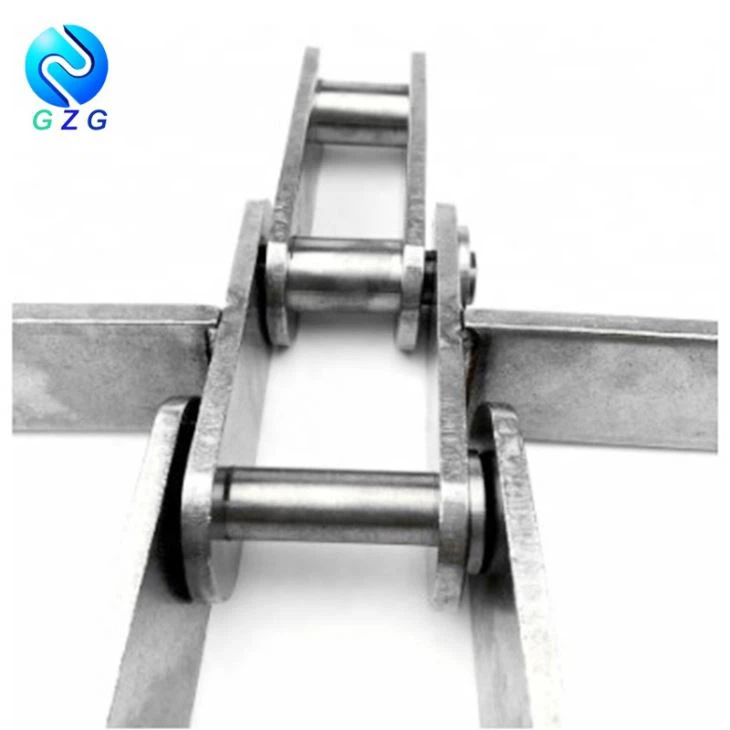
Moving along the chain, the cement production plants also demand a large workforce. There are jobs in manufacturing, quality control, engineering, and management. For instance, mechanical engineers are needed to maintain and improve the production equipment, such as the SDBF Type Chain Bucket Conveyor Chain which is used to transport raw materials within the plant. This conveyor chain ensures a smooth and continuous flow of materials, and its proper operation is crucial for the overall production efficiency.
In addition, the distribution and logistics arm of the cement industry chain creates jobs in transportation, warehousing, and sales. Truck drivers are responsible for delivering cement products to construction sites, while sales representatives work to secure contracts with local builders and construction companies. The multiplier effect of these jobs is substantial, as employees in the cement industry chain then spend their incomes on local goods and services, further boosting the local economy.
Revenue Generation
The cement industry chain also contributes significantly to local revenue. Through taxes and royalties, local governments benefit from the economic activities of cement companies. Mining companies pay royalties on the extraction of raw materials, which provide a stable source of income for the local government. Cement production plants, on the other hand, pay various taxes, including property taxes, corporate income taxes, and sales taxes.
These revenues can be used to fund local infrastructure projects, such as building roads, bridges, and schools. A well - connected road network is essential for the transportation of cement products and raw materials, and this infrastructure development not only benefits the cement industry but also improves the overall quality of life for local residents. Moreover, the construction of schools and hospitals using cement from local producers helps to enhance the educational and healthcare services in the community.
2. Infrastructure Development
Building Local Structures
Cement is the backbone of construction, and the cement industry chain enables the development of local infrastructure. Whether it's residential buildings, commercial complexes, or public facilities, cement is a fundamental building material. In local communities, cement is used to construct houses that provide shelter for families. The durability and strength of cement ensure that these homes are safe and long - lasting.
Commercial buildings, such as shopping centers and offices, are also constructed using cement. These structures create spaces for businesses to operate, which in turn generates more economic activity in the community. Public facilities like hospitals, schools, and government buildings are often built with high - quality cement. Hospitals need strong and stable structures to house medical equipment and treat patients, while schools provide a conducive learning environment for students.
Strengthening Transportation Infrastructure
Cement is also crucial for the construction and maintenance of transportation infrastructure. Roads, bridges, and railways are all built with the help of cement. For example, cement - concrete roads are more durable and require less maintenance compared to other types of roads. Bridges made of cement can withstand heavy loads and adverse weather conditions, ensuring the safe passage of vehicles and pedestrians.
In local communities, a well - developed transportation network is essential for economic development. It allows for the efficient movement of goods and people, which is especially important for the cement industry chain itself. The TB - NEW Hoisting Chain is used in the construction of large - scale infrastructure projects, such as bridges, where heavy materials need to be lifted and positioned accurately.
3. Social Well - being
Community Development Programs
Many cement companies within the industry chain are actively involved in community development programs. These programs aim to improve the living standards of local residents. For example, some companies invest in education initiatives, providing scholarships for local students to pursue higher education. This not only benefits the individual students but also helps to develop a skilled workforce for the future.
Healthcare programs are another area of focus. Cement companies may support the construction and operation of local clinics, provide medical supplies, or organize health awareness campaigns. These efforts improve the health outcomes of local communities and reduce the burden on the public healthcare system.
Skill Development and Training
The cement industry chain offers opportunities for skill development and training. Workers in the industry can learn new skills, such as operating advanced production equipment or performing quality control procedures. These skills are not only valuable within the cement industry but can also be transferred to other sectors.

Apprenticeship programs are often established in collaboration with local vocational schools. Through these programs, young people can gain practical experience and knowledge in the cement industry, increasing their employability in the local job market.
4. Environmental Sustainability
Waste Recycling and Management
The cement industry chain has made significant progress in waste recycling and management. Cement production plants can use various waste materials as alternative fuels and raw materials. For example, some industrial wastes, such as fly ash and slag, can be used as partial substitutes for cement clinker. This not only reduces the demand for natural resources but also helps to dispose of industrial waste in an environmentally friendly way.
The Scraper Conveyor Chain can be used in waste management systems within the cement plant to transport waste materials for recycling or proper disposal. This helps to minimize the environmental impact of waste and promote a circular economy.
Energy Efficiency
Cement production is an energy - intensive process, but the industry is increasingly focusing on energy efficiency. Modern cement plants are equipped with advanced technologies that reduce energy consumption. For example, the use of waste heat recovery systems can capture and utilize the waste heat generated during cement production to generate electricity.
This not only reduces the carbon footprint of the cement industry but also helps to lower production costs. By being more energy - efficient, cement companies can contribute to the overall environmental sustainability of the local community and reduce the pressure on local energy resources.
5. Encouraging Procurement and Collaboration
If you are in the construction industry or any other sector that requires high - quality cement products and related equipment, I invite you to engage with us. Our products, such as the SDBF Type Chain Bucket Conveyor Chain, TB - NEW Hoisting Chain, and Scraper Conveyor Chain, are designed to meet the rigorous demands of the cement industry chain. We are committed to providing reliable and cost - effective solutions to our customers.
Whether you are a small - scale local builder or a large - scale construction company, we can work with you to understand your specific needs and provide the best products and services. Contact us to start a procurement discussion, and let's build a stronger and more sustainable future together.
References
- "Cement Industry and Sustainable Development", World Business Council for Sustainable Development.
- "The Economic Impact of the Cement Industry on Local Communities", Journal of Economic Development.
- "Environmental Management in the Cement Industry", International Journal of Environmental Science and Technology.