

When it comes to the smooth operation of various mechanical systems, idler sprockets play a crucial role. As an established idler sprocket supplier, I've encountered numerous inquiries regarding the cost of replacing an idler sprocket. In this blog post, I'll delve into the factors that influence this cost and provide a comprehensive overview to help you make informed decisions.
Factors Affecting the Cost of Replacing an Idler Sprocket
1. Material and Quality
The material used in manufacturing an idler sprocket significantly impacts its cost. Common materials include steel, aluminum, and cast iron. Steel idler sprockets are known for their durability and strength, making them suitable for heavy - duty applications. However, they tend to be more expensive due to the high - quality steel and the manufacturing processes involved.
Aluminum idler sprockets are lightweight and corrosion - resistant, which is beneficial in certain environments. They are generally less expensive than steel ones, but they may not be as strong and are more prone to wear in high - stress situations. Cast iron idler sprockets offer a balance between cost and performance. They are more affordable than steel sprockets and have good wear resistance, but they are heavier.
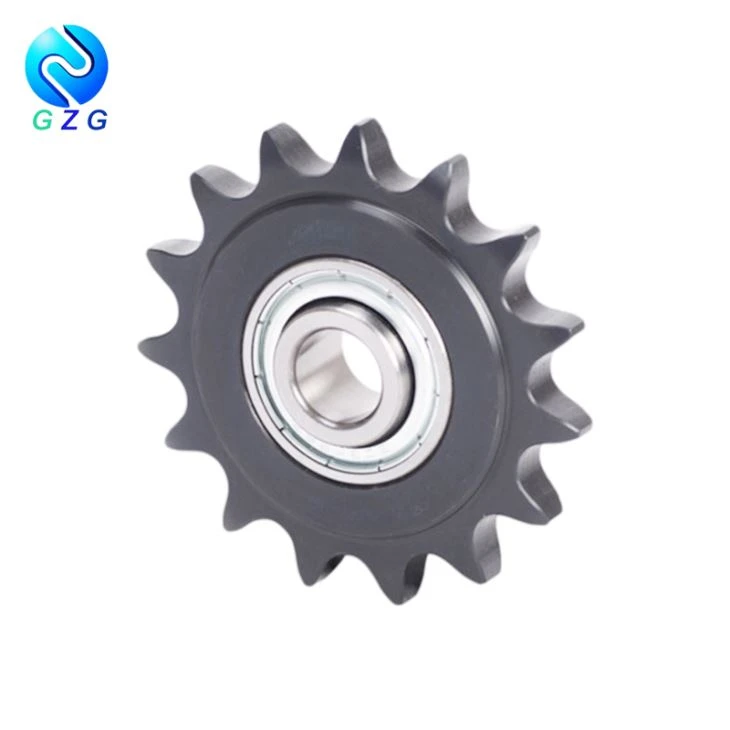
As a supplier, we offer a wide range of idler sprockets made from different materials to meet various customer needs. For example, our Idler Sprocket with Bearing is available in both steel and aluminum options, allowing customers to choose based on their budget and application requirements.
2. Size and Specification
The size and specification of the idler sprocket are also major cost determinants. Larger sprockets typically require more material and more complex manufacturing processes, which drives up the cost. Additionally, sprockets with specific tooth profiles, pitch sizes, or bore diameters may be more expensive to produce.
For instance, an Idler Sprocket 40 Chain has different dimensions and tooth specifications compared to an Idler Sprocket 50 Chain. The manufacturing precision required for these specific chains adds to the overall cost. Customers need to ensure that they select the correct size and specification for their machinery to avoid compatibility issues and premature wear.

3. Brand and Supplier
The brand and the reputation of the supplier can also affect the cost of an idler sprocket. Well - known brands often charge a premium for their products due to their established quality control processes, research and development efforts, and brand value. However, choosing a reliable supplier is crucial as it can guarantee the quality and performance of the sprocket.
As a trusted idler sprocket supplier, we focus on providing high - quality products at competitive prices. We have a strict quality control system in place to ensure that each sprocket meets the industry standards. Our experience in the market allows us to offer cost - effective solutions without compromising on quality.
4. Labor and Installation Costs
In addition to the cost of the sprocket itself, labor and installation costs should also be considered. Replacing an idler sprocket may require specialized tools and skills, especially in complex machinery. The labor cost can vary depending on the location, the complexity of the installation, and the hourly rate of the technician.
Some customers may choose to install the sprocket themselves to save on labor costs. However, it's important to note that improper installation can lead to premature failure of the sprocket and other components in the system. Therefore, it's advisable to have the installation carried out by a qualified technician.
Cost Estimation
To give you a rough idea of the cost, a basic aluminum idler sprocket for light - duty applications may cost anywhere from $10 to $50. Steel idler sprockets for medium - duty applications can range from $50 to $200. Heavy - duty steel sprockets or those with special features can cost over $200.
Labor costs for installation can vary widely. For simple installations, it may cost around $50 to $100 per hour, while for more complex machinery, the hourly rate can go up to $150 or more. The total installation time can range from a few hours to a full day, depending on the system.

The Importance of Timely Replacement
While the cost of replacing an idler sprocket may seem significant, it's important to recognize the long - term benefits of timely replacement. A worn - out idler sprocket can cause a variety of problems, such as chain slippage, increased wear on other components, and reduced efficiency of the machinery. These issues can lead to costly breakdowns and downtime, which can far exceed the cost of replacing the sprocket.
Regular maintenance and inspection of the idler sprocket can help identify signs of wear early on. Look for symptoms such as tooth wear, chain misalignment, and unusual noise. If any of these signs are present, it's advisable to replace the sprocket as soon as possible.
Conclusion
In conclusion, the cost of replacing an idler sprocket is influenced by several factors, including material, size, brand, and labor costs. As a reliable idler sprocket supplier, we are committed to providing high - quality products at competitive prices. Whether you need an Idler Sprocket with Bearing, an Idler Sprocket 40 Chain, or an Idler Sprocket 50 Chain, we have the right solution for you.

If you are interested in our idler sprockets or need more information about the cost and replacement process, please feel free to contact us for a detailed quotation and professional advice. We look forward to discussing your specific requirements and helping you find the most suitable idler sprocket for your application.
References
- Machinery's Handbook, 31st Edition
- Industrial Sprocket and Chain Manufacturer's Association Guidelines