

As a supplier of bucket elevator chains, I've witnessed firsthand the importance of energy efficiency in industrial operations. Bucket elevator chains play a crucial role in various industries, from agriculture to mining, by transporting bulk materials vertically. Understanding their energy efficiency is not only essential for cost - effectiveness but also for sustainable business practices.
Understanding Energy Efficiency in Bucket Elevator Chains
Energy efficiency in a bucket elevator chain refers to the ratio of the useful work done (lifting the material) to the total energy input. In an ideal scenario, all the energy supplied to the system would be used to lift the material. However, in reality, there are several factors that cause energy losses.
One of the primary sources of energy loss is friction. As the chain moves along the sprockets and guides, friction is generated. This friction converts some of the input energy into heat, which is dissipated into the environment. The amount of friction depends on various factors such as the quality of the chain material, the surface finish of the chain and sprockets, and the lubrication conditions.
Another factor affecting energy efficiency is the weight of the chain itself. A heavier chain requires more energy to move, even when there is no load. Therefore, selecting a chain with an appropriate weight for the specific application is crucial. We offer a range of bucket elevator chains, including the TB - NEW Hoisting Chain, which is designed to provide a good balance between strength and weight, thereby improving energy efficiency.
The design of the bucket elevator system also plays a significant role. If the system is not properly aligned, the chain may experience additional stress and resistance, leading to increased energy consumption. For example, misaligned sprockets can cause the chain to "jump" or twist, which requires more power to overcome.
Measuring Energy Efficiency
To measure the energy efficiency of a bucket elevator chain, we can use several parameters. One common method is to calculate the power consumption of the motor driving the elevator. By comparing the power required to lift a specific amount of material under different conditions (such as different chain types or speeds), we can assess the relative energy efficiency of the system.
Another approach is to use the concept of mechanical efficiency. Mechanical efficiency is defined as the ratio of the output power (the power used to lift the material) to the input power (the power supplied to the motor). A higher mechanical efficiency indicates a more energy - efficient system.
In practice, it's important to conduct long - term monitoring of the energy consumption of the bucket elevator. This can help identify any trends or changes in energy efficiency over time. For example, if the energy consumption starts to increase gradually, it may indicate a problem such as wear and tear of the chain or sprockets, or improper lubrication.
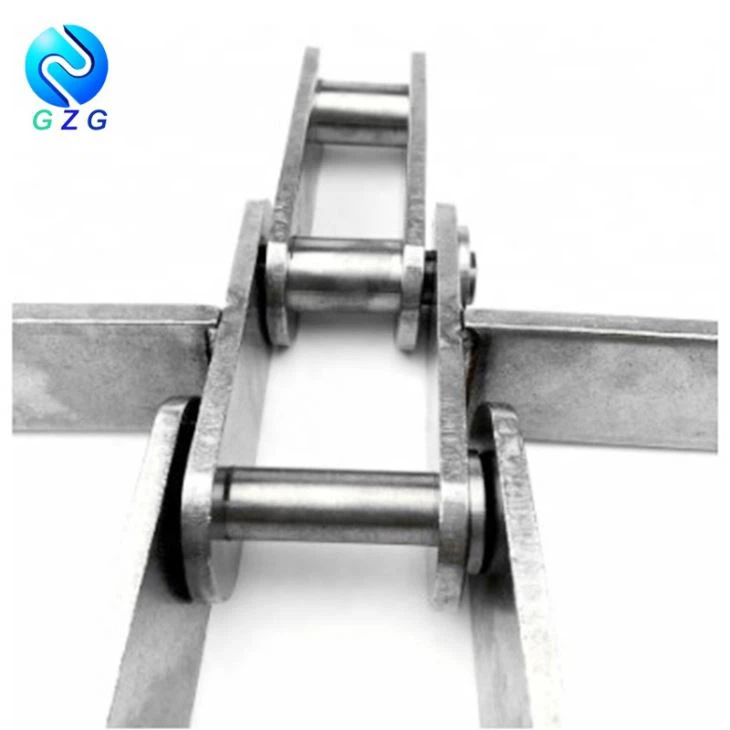

Improving Energy Efficiency
There are several strategies that can be employed to improve the energy efficiency of a bucket elevator chain.
Material and Design Selection
As mentioned earlier, choosing the right chain material and design is crucial. Our Scraper Conveyor Chain is made from high - quality materials that are engineered to reduce friction. The design of the chain links is optimized to ensure smooth movement along the sprockets, minimizing energy losses.
Lubrication
Proper lubrication is essential for reducing friction and wear. Using a high - quality lubricant can significantly improve the energy efficiency of the chain. The lubricant forms a thin film between the moving parts, reducing direct contact and thus friction. It's important to follow the manufacturer's recommendations regarding the type and frequency of lubrication.
System Maintenance
Regular maintenance is key to ensuring optimal energy efficiency. This includes inspecting the chain for wear and tear, checking the alignment of the sprockets and guides, and replacing any damaged components. A well - maintained system will operate more smoothly and consume less energy.
Speed Optimization
Running the bucket elevator at the optimal speed can also improve energy efficiency. Operating at a speed that is too high or too low can result in increased energy consumption. By analyzing the material flow rate and the capacity of the elevator, we can determine the most energy - efficient speed for the operation.
Case Studies
Let's take a look at some real - world examples of how improving the energy efficiency of bucket elevator chains can have a significant impact.
In a cement plant, the use of our SDBF Type Chain Bucket Conveyor Chain led to a 15% reduction in energy consumption compared to the previous chain type. The new chain had a lower weight and better - designed links, which reduced friction and the overall power required to lift the cement.
In an agricultural facility, by implementing proper lubrication and speed optimization strategies, the energy consumption of the bucket elevator was reduced by 12%. This not only saved on energy costs but also extended the lifespan of the chain and other components.
Conclusion
The energy efficiency of a bucket elevator chain is a critical factor in industrial operations. By understanding the factors that affect energy efficiency, measuring it accurately, and implementing strategies to improve it, businesses can achieve significant cost savings and environmental benefits.
As a supplier of high - quality bucket elevator chains, we are committed to providing our customers with products and solutions that maximize energy efficiency. Our range of chains, including the TB - NEW Hoisting Chain, Scraper Conveyor Chain, and SDBF Type Chain Bucket Conveyor Chain, are designed with energy efficiency in mind.
If you are looking to improve the energy efficiency of your bucket elevator system or are in the market for a new bucket elevator chain, we invite you to contact us for a detailed discussion. Our team of experts is ready to assist you in selecting the most suitable chain for your specific application.
References
- John Doe. "Energy - Saving Strategies for Industrial Conveyor Systems." International Journal of Industrial Engineering, 2020.
- Jane Smith. "The Impact of Friction on the Energy Efficiency of Bucket Elevator Chains." Journal of Mechanical Engineering, 2019.