A sugar mill runs nonstop through harvest season. The chain moves cane, crushed stalks and bagasse from one processing stage to another. Acidic syrup residue sticks to every moving part, and repeated impact from rough bulk material gradually wears pins, bushings and link plates. A standard roller chain will stretch, pit or jam far sooner in this setting.
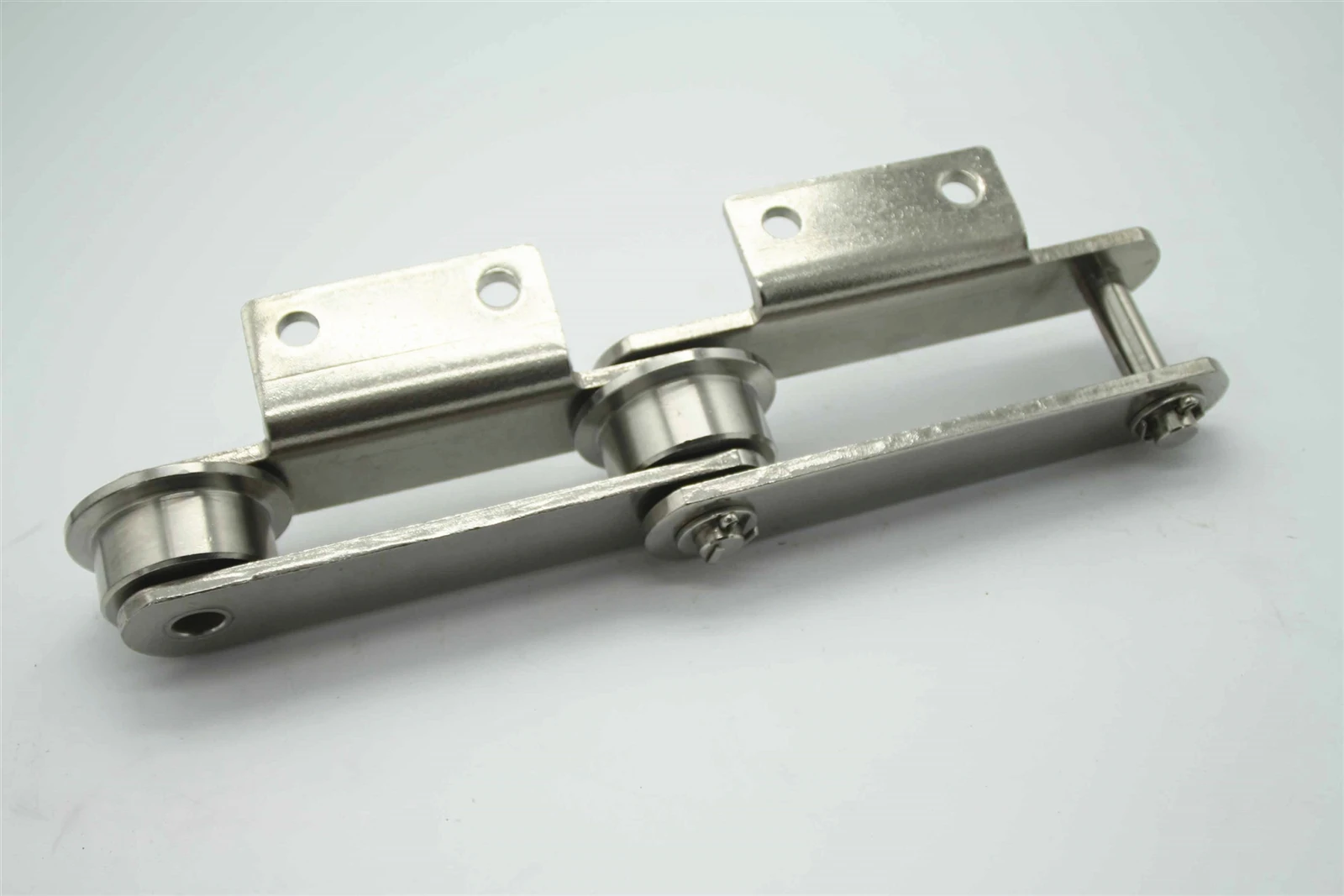
The straight plate design keeps the two side plates parallel and flat through the middle. This simple geometry cuts the chance of material getting caught between plates as the chain travels along the sprockets. It runs more stable when carrying sticky, uneven loads, compared to offset or bent plate styles. Material selection is where most of its service life comes from. Stainless steel handles the corrosion risk, while alloy steel brings the toughness needed for sudden impact loads.
Load figures vary across sizes in this series. Tensile strength sits between 72.3KN and 635KN, while safe working load ranges from 8.2KN to 36.9KN. Mill maintenance staff pick the right grade based on conveyor length, material weight and how many hours the line runs each day. A chain sized only by price often leads to unplanned shutdowns right in the middle of crushing season.
Many older sugar plants still run legacy conveyors built decades ago. Their sprocket spacing and track dimensions do not match modern standard chains. That is why custom drawing support matters for this type of chain. Matching the original plate shape and pitch saves mill teams from reworking whole conveyor frames just to fit new chain parts. Regular lubrication and weekly inspection still remain necessary, even for this heavy-duty design.