

A driving chain is a crucial component in various mechanical systems, facilitating the smooth transmission of power. As a dedicated driving chain supplier, I've witnessed firsthand the inconveniences and disruptions caused by chain breakage. Understanding the common causes can help users take preventive measures and ensure the longevity of their chains.
1. Wear and Tear
One of the most prevalent causes of driving chain breakage is wear and tear. Over time, the constant friction between the chain's components, such as pins, bushings, and rollers, leads to material loss. This wear can cause the chain to stretch, reducing its overall strength and integrity.
In high - stress applications where the chain operates at high speeds and under heavy loads, the wear process accelerates. For example, in industrial conveyor systems that run continuously, the chains are subjected to significant forces. The repeated bending and straightening of the chain links also contribute to wear. As the chain wears, the clearances between the components increase, which can result in uneven loading and eventually lead to breakage.
To mitigate the effects of wear and tear, regular maintenance is essential. This includes lubricating the chain to reduce friction. Using high - quality lubricants can significantly extend the chain's lifespan. Additionally, periodic inspections to monitor the wear level can help identify when the chain needs to be replaced. Our company offers a range of high - performance chains, such as the Simplex Heavy Duty Carbon Steel Roller Chain, which is designed to withstand high levels of stress and reduce wear.
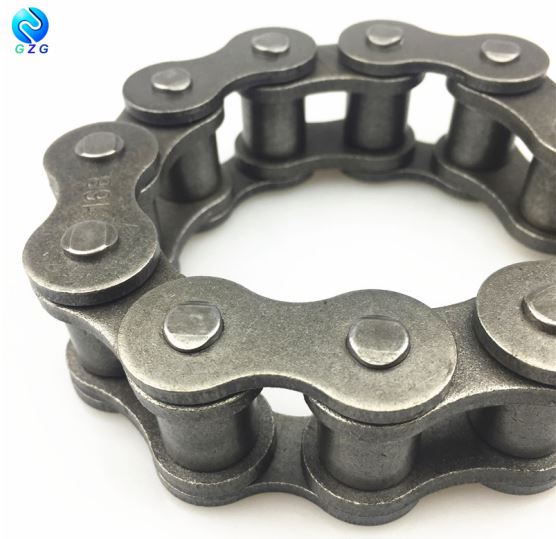

2. Overloading
Overloading occurs when a chain is subjected to a load that exceeds its rated capacity. This can happen due to various reasons, such as incorrect system design, sudden increases in the load, or improper use of the equipment. For instance, in a lifting mechanism, if the operator tries to lift a heavier load than the chain is designed for, the chain may experience excessive stress.
When a chain is overloaded, the links are forced to bear more weight than they can handle. This can cause the pins or rollers to deform, crack, or even break. In some cases, the entire chain may snap under the extreme stress. Overloading not only leads to immediate chain breakage but also weakens the chain over time, making it more prone to failure in subsequent operations.
To avoid overloading, it is crucial to select the right chain for the application. Our team of experts can assist customers in choosing the appropriate chain based on the load requirements, operating speed, and environmental conditions. We offer a wide range of chains, including the B Series Simplex Industry Transmission Roller Chain, which is available in different load - bearing capacities to meet various industrial needs.
3. Improper Installation
Improper installation is another significant cause of driving chain breakage. If the chain is not installed correctly, it can lead to uneven tension, misalignment, and excessive stress on certain parts of the chain. For example, if the chain is too tight, it can cause increased friction and premature wear on the pins and bushings. On the other hand, if the chain is too loose, it may skip over the sprockets, leading to uneven loading and potential breakage.
Misalignment between the chain and the sprockets is also a common installation error. When the chain is not properly aligned, it can cause the rollers to rub against the sides of the sprockets, resulting in accelerated wear and damage. Additionally, incorrect installation of the chain connectors can also lead to weak points in the chain, increasing the risk of breakage.
To ensure proper installation, it is recommended to follow the manufacturer's guidelines carefully. Our company provides detailed installation instructions with each chain we supply. We also offer training and technical support to help our customers install the chains correctly. Our Flexible Roller Chain KC Couplings are designed for easy and accurate installation, reducing the chances of installation - related issues.
4. Corrosion
Corrosion can significantly affect the performance and lifespan of a driving chain. When a chain is exposed to a corrosive environment, such as high humidity, chemicals, or saltwater, the metal components of the chain can rust and deteriorate. Corrosion weakens the chain by reducing its cross - sectional area and causing pitting on the surface.
In outdoor applications, such as agricultural machinery or marine equipment, the chains are often exposed to harsh environmental conditions. The presence of moisture and oxygen can initiate the corrosion process, which can spread rapidly, especially in the presence of contaminants. Once the chain is corroded, it becomes more brittle and prone to breakage.
To prevent corrosion, it is important to choose the right type of chain for the environment. We offer corrosion - resistant chains, such as the 212A/A2060 Double Pitch Transmission Roller Chain, which are made from materials that are less susceptible to rust and corrosion. Additionally, applying protective coatings or using lubricants with anti - corrosion properties can also help extend the chain's lifespan.
5. Fatigue
Fatigue failure occurs when a chain is subjected to repeated cyclic loading. Even if the load is within the chain's rated capacity, the repeated stress can cause microscopic cracks to form in the chain's components. Over time, these cracks can propagate and eventually lead to the chain breaking.
In applications where the chain operates at high speeds and undergoes frequent starts and stops, fatigue is a significant concern. For example, in motorcycle engines, the Motorcycle Chains are subjected to rapid acceleration and deceleration, which can cause fatigue failure. The design of the chain, including the material properties and the shape of the components, can also affect its fatigue resistance.
To improve the fatigue resistance of the chain, we use high - quality materials and advanced manufacturing processes. Our chains are designed to distribute the stress evenly across the components, reducing the likelihood of fatigue failure. Regular inspections and maintenance can also help detect early signs of fatigue, allowing for timely replacement of the chain.
Conclusion
As a driving chain supplier, I understand the importance of providing high - quality products and reliable solutions. By being aware of the common causes of driving chain breakage, users can take proactive measures to prevent failures and ensure the smooth operation of their equipment. Whether it's wear and tear, overloading, improper installation, corrosion, or fatigue, our company offers a comprehensive range of chains and technical support to meet your needs.
If you are in the market for a driving chain, or if you have any questions about chain selection, installation, or maintenance, please feel free to contact us. We are committed to providing the best products and services to help you keep your machinery running efficiently.
References
- "Mechanical Power Transmission Handbook" by Heinz P. Bloch
- "Chain Drive Engineering" by the American Chain Association